
Category Archives: tools
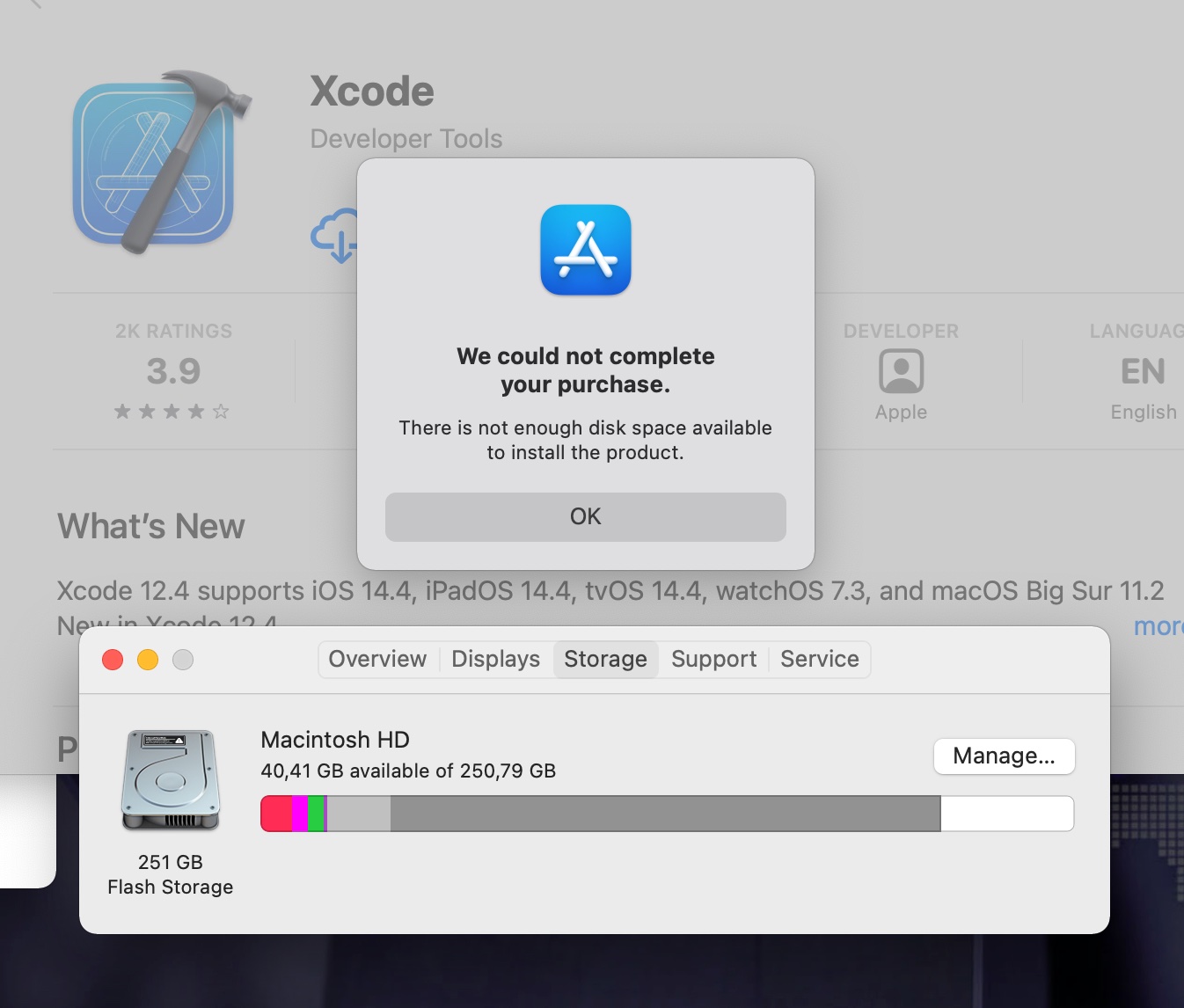
Clean up my mac and free space for Xamarin Developers
Unfortunately I nowadays often run into the problem of missing free space on my macbook (from 2015, 256 GB) when I want to upgrade XCode or Mac OS. Typically I uninstall XCode first so I was able to install Big Sur today. Now I have to reinstall XCode, but even with 38 GB of free […]

Some more tips for Grav and Twig
4 Years ago I already blogged some tips for using Grav. Here are now some more tips for using Grav and Twig. Of course you also should make sure to have a look at the official Grav Documentation which is very helpful! Get all pages from a certain date range One of the default values […]

Create Images for iOS and Android automatically
Automatically create images for iOS and Android in all supported sizes
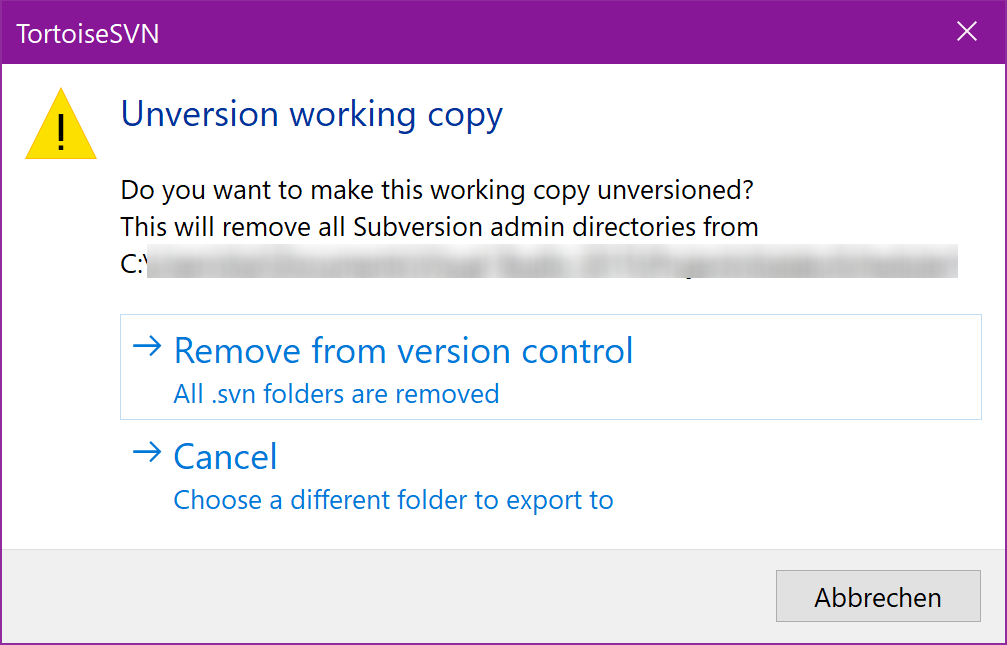
Migrate Visual Studio Solution from Subversion to Git
Previously I stored my source code in Subversion Server using the Ankh SVN Plugin. Even though this all works pretty fine, I’m currently migrating to Git (e.g on github or Visual Studio Team Services) Here is a short explanation how to clear your link to Subversion and upload the source to a new repository on […]
Backupbuddy Error #9010: Unable to import SQL query – Unknown collation: utf8mb4_unicode_520_ci
BackupBuddy is a WordPress Plugin with lots of options, like scheduled backups to remote locations etc. It’s also helpful if you want to migrate your WordPress installation to another server, but in some cases it just returns the following error messages when trying to import the MySQL Tables (using included ImportBuddy) to your new MySQL […]
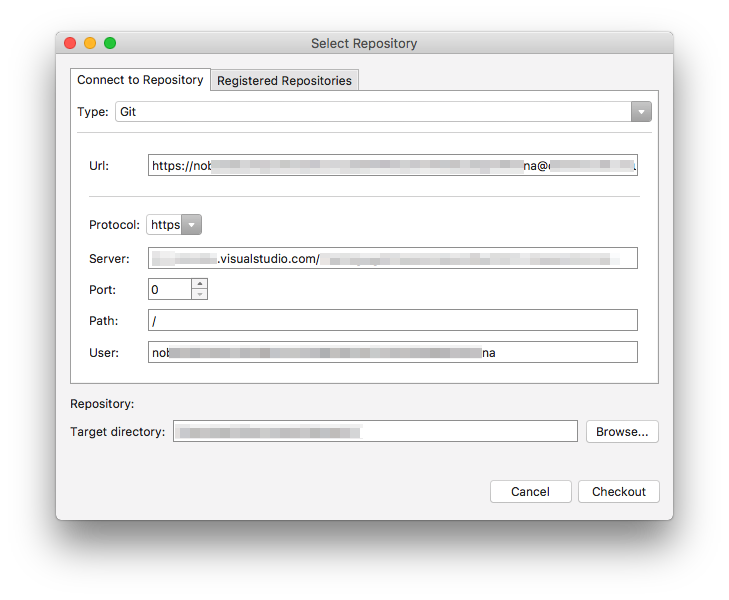
Checkout Source code from Visual Studio online GIT source control
With Visual Studio Team Services you could host your GIT repository online in Microsofts Cloud. This makes it easy to share code between Visual Studio and Xamarin Studio. As you cannot use your username within Xamarin Studios GIT client because you cannot use the @-sign from your email address, here is short information about how […]
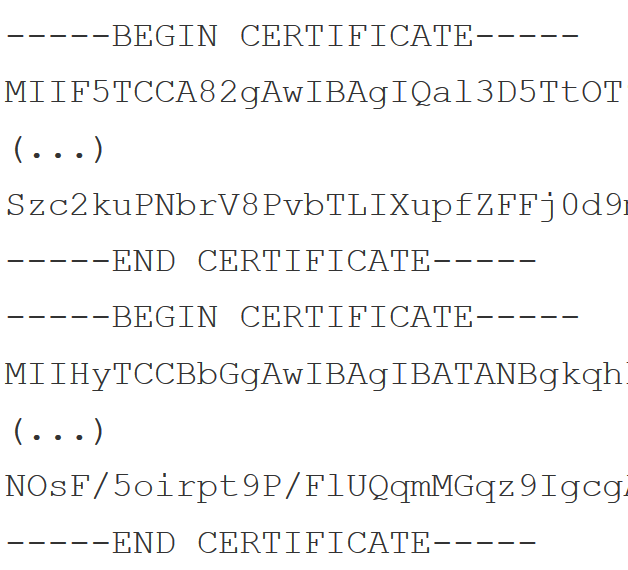
Use SSL from StartSSL with i-MSCP (internet multi-server control panel)
Typically my domains are hosted by IP Projects. For administration of their php webhosting packages they use i-MSCP (internet Multi Server Control Panel). Next typical thing: For my SSL-Certifications in most cases I use StartSSL. It’s a free, fast and reliable service, and it already exists for years, long before Googles and Mozillas Let’s encrypt […]

Sign an APK for uploading to Google Play Store
For our app on http://FussballimFreeTV.de we have versions for iOS, Android and WindowsPhone. Now we wanted to deploy a new Android Version, but on my new notebook I did not have Eclipse installed anymore. So I needed to find out how to sign the provided APK with Android Studio. But as documentation says: You do […]